September 12, 2016
What Is Vicodin?
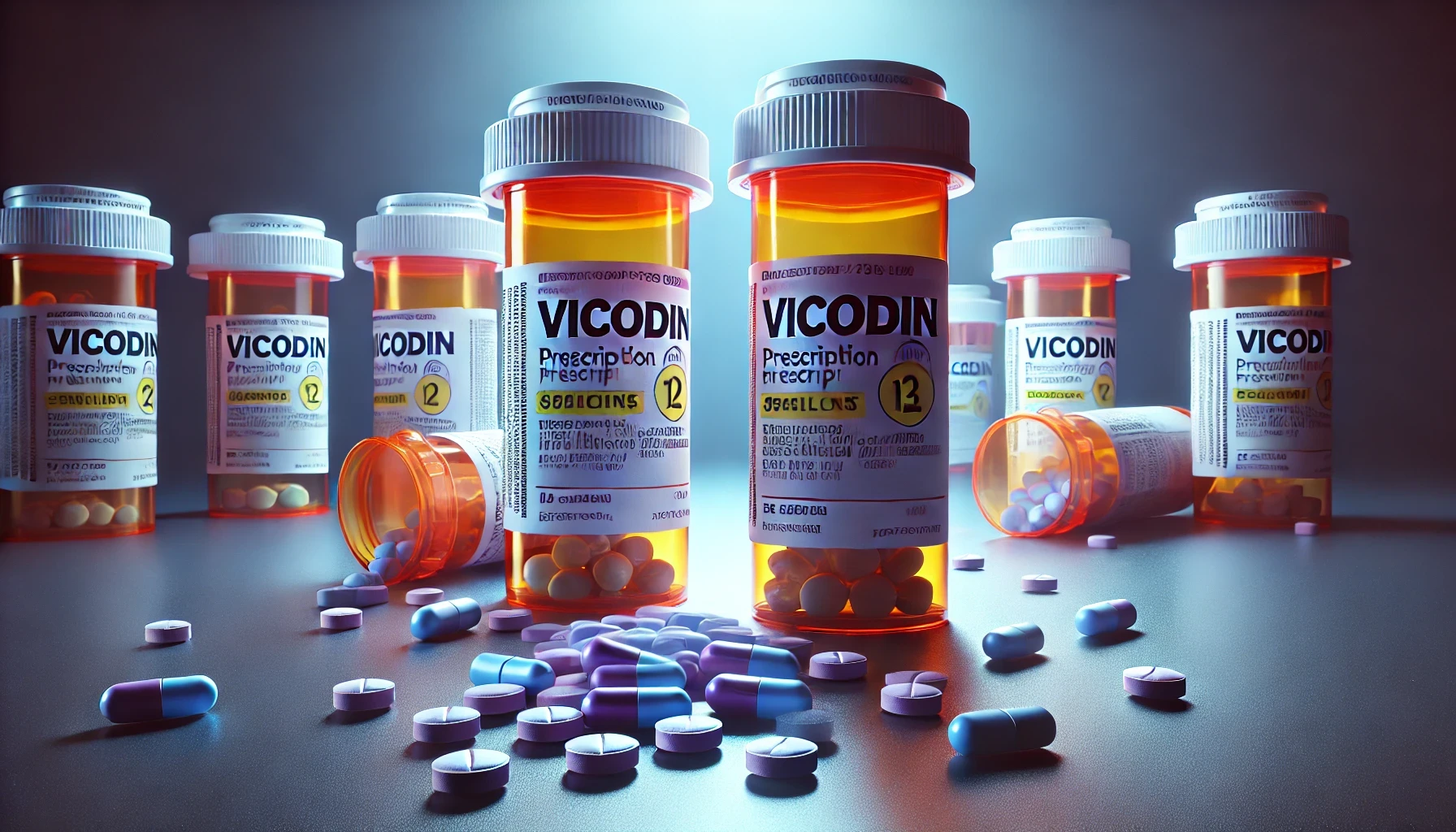
What is Vicodin?
This post was written with Consensus AI Academic Search Engine - please read our Disclaimer at the end of this article. Vicodin is a widely prescribed pain reliever in the United States, known for its effectiveness in managing moderate to severe pain. It is a combination drug that includes hydrocodone, an opioid, and acetaminophen, a non-opioid pain reliever. Despite its therapeutic benefits, Vicodin has become a focal point in discussions about prescription drug abuse and opioid addiction.
Medical Uses
Vicodin is primarily prescribed for the relief of moderate to severe pain. It is commonly used in postoperative pain management, dental procedures, and chronic pain conditions such as osteoarthritis. Studies have shown that Vicodin is effective in providing pain relief comparable to other opioid and non-opioid analgesics2 9.
Abuse and Dependency
One of the significant concerns surrounding Vicodin is its potential for abuse and dependency. The narcotic component, hydrocodone, can lead to physical and chemical dependency, making it a target for misuse. Research indicates that a majority of Vicodin abusers were initially introduced to the drug through a legitimate prescription, highlighting the risk of dependency even with medical use1 5 6.
Opioid-Induced Hyperalgesia
Interestingly, chronic use of Vicodin can lead to a paradoxical increase in pain sensitivity, a phenomenon known as opioid-induced hyperalgesia (OIH). Studies in animal models have shown that prolonged exposure to high doses of Vicodin can result in increased thermal pain sensitivity, although this effect was not observed with hydrocodone alone3.
Prescribing Practices and Guidelines
The prescribing practices for Vicodin have come under scrutiny due to the rising rates of opioid addiction and overdose. Research has shown that many prescribers do not follow established guidelines, often prescribing higher quantities than necessary. This has led to calls for more stringent prescribing practices and better education for both prescribers and patients4 10.
Alternatives and Comparisons
Comparative studies have evaluated the efficacy of Vicodin against other pain relievers. For instance, a study comparing Vicodin to codeine/acetaminophen found no significant difference in pain relief or side effects, suggesting that alternatives may be equally effective for certain types of pain9. Additionally, transitioning patients from Vicodin to other pain management systems, such as the buprenorphine transdermal system, has shown promising results in maintaining pain control and tolerability2. Learn more with Consensus: [button icon="🤕" text="Is Vicodin commonly prescribed for postoperative pain management?"][/button] [button icon="💊" text="Does Vicodin contain both hydrocodone and acetaminophen?"][/button]
Vicodin Composition and Mechanism of Action
Vicodin consists of two primary components: hydrocodone and acetaminophen. Hydrocodone is an opioid that works by binding to specific receptors in the brain and spinal cord, altering the perception of pain and emotional response to it. Acetaminophen, on the other hand, works by inhibiting the production of prostaglandins, which are chemicals in the body that cause inflammation and pain8. Learn more with Consensus: [button icon="🧠 " text="Does hydrocodone in Vicodin bind to specific receptors in the brain to alter pain perception?"][/button]
Adverse Effects of Vicodin
Opioid-Induced Hyperalgesia (OIH) Chronic high-dose Vicodin can cause increased sensitivity to thermal pain, a phenomenon known as opioid-induced hyperalgesia (OIH). This effect was observed in animal models, where only the combination drug (Vicodin) led to significant thermal pain hypersensitivity, not the individual components (hydrocodone or acetaminophen)1. General Opioid-Related Adverse Events Adverse events associated with Vicodin are consistent with those typically seen with opioid analgesics. These can include nausea, dizziness, constipation, and potential for dependency and abuse2. Learn more with Consensus: [button icon="💥" text="What are the adverse effects of Vicodin?"][/button]
How has Vicodin Improved Patient Outcomes?
Pain Relief Efficacy Vicodin provides effective pain relief comparable to other opioid combinations like codeine/acetaminophen, with no significant differences in pain reduction, side effects, or patient satisfaction1. In patients with osteoarthritis, switching from Vicodin to buprenorphine transdermal system maintained similar pain control and tolerability2. Post-Operative Pain Management After ACL reconstruction, adding zolpidem to a regimen including Vicodin reduced the total amount of narcotic required without affecting pain or fatigue levels4. Prescribing Practices and Patient Satisfaction Residents who prescribed Vicodin for acute back pain demonstrated better communication and assessment skills, leading to higher patient satisfaction and activation scores compared to those who did not prescribe it3. Preoperative Opioid Use and Surgical Outcomes Preoperative use of short-acting opioids like Vicodin was associated with increased postoperative opioid consumption and higher complication rates in total joint arthroplasty7. Learn more with Consensus: [button icon="🦵🏻" text="Is Vicodin effective in managing osteoarthritis pain?"][/button] [button icon="🙇" text="How has Vicodin improved patient outcomes?"][/button]
Common Complaints Associated with Vicodin Use
Dependency and Abuse Vicodin can lead to physical and chemical dependency, with many users initially obtaining the drug through prescriptions, either their own or someone else's1 3. A significant number of people misuse Vicodin to relieve physical pain, often obtaining it for free from friends or relatives3. Opioid-Induced Hyperalgesia (OIH) Chronic high-dose Vicodin use can cause increased sensitivity to thermal pain, a phenomenon known as opioid-induced hyperalgesia (OIH). This effect is specific to the combination of hydrocodone and acetaminophen, not hydrocodone alone2. Misuse and Use Disorders A substantial portion of the U.S. adult population has misused prescription opioids, including Vicodin, with misuse often leading to use disorders characterized by withdrawal symptoms, dangerous use situations, legal troubles, and interference with major life obligations3. Learn more with Consensus: [button icon="🔀" text="Is Vicodin misuse common among people who initially received it through a prescription?"][/button] [button icon="😣" text="Can chronic high-dose Vicodin use lead to opioid-induced hyperalgesia?"][/button]
Disclaimer
The content presented in this blog is generated by Consensus, an AI-powered academic search engine, and is based on publicly available scientific literature. While every effort is made to provide accurate, up-to-date, and well-researched information, the content is intended for informational and educational purposes only. It does not constitute medical advice, diagnosis, or treatment. Always consult a qualified healthcare professional before making any decisions regarding medical conditions, treatments, or medications. The AI system's analysis may not cover all perspectives, emerging research, or individual cases, and it is not a substitute for professional expertise. Neither the blog publisher nor the developers of the AI-powered search engine are responsible for any actions taken based on the information provided in this content. Use of this information is at your own risk. Citations to the original scientific studies are included for reference, but these studies should be reviewed in full and interpreted with the guidance of a healthcare or research professional. If you are experiencing a medical emergency, please seek immediate attention from a healthcare provider.
Start searching for free in Consensus!
Consensus searches through 220M+ peer reviewed research papers and provides you the best insights from them. Helping you find better papers, faster.

Sign Up